Fake parts are not always obvious. Some look close to the real thing. Some come in boxes that seem fine at first glance. Some are sold through workshops, online listings, or social sellers who sound confident but give little proof.
If you want to know how to avoid fake spare parts in the UAE market, start with the basics. Check the part number. Match it to your car. Ask for the invoice and warranty. Look at the packaging and finish. Buy only from a trusted seller or workshop. This matters because fake auto spare parts can lead to repeat repairs, poor fit, and safety risks. A careful check helps you choose genuine auto parts drivers can trust.
This guide will help you spot warning signs early. It will also show you how to verify genuine auto parts before you pay.
Quick Checklist Before You Buy Any Spare Part in the UAE
Check your car details. Confirm the VIN, model year, engine type, and trim. Then match the exact part number. Do not rely on guesswork.
Ask where the part came from. A serious seller should tell you whether it is genuine, OEM, or aftermarket. They should also explain why that part fits your repair.
Ask for an invoice. Ask for warranty details. Ask for the brand name and source. If the answers are vague, slow down.
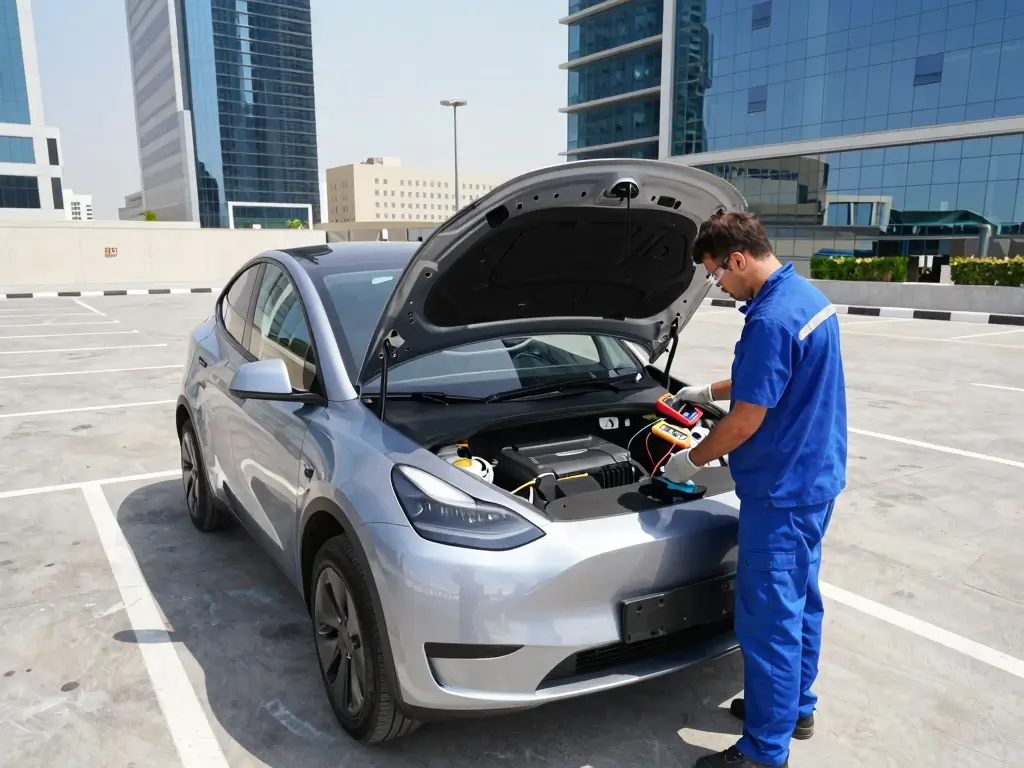
Before you approve any replacement, a car inspection service can help confirm fitment, condition, and whether the quoted part matches the actual repair.
Finally, be careful with prices that look too low. A cheap quote can become an expensive repair later.
Check your VIN, model year, and exact part number first
Many buyers skip this step. That is a mistake. Even small differences between trims or engine variants can change the correct part.
If the part number does not match your car, do not buy it. A wrong part can create fitment issues, weak performance, or early failure.
Ask where the part came from before approving the job
A good supplier will answer clearly. They should tell you the brand, source, and grade of the part. If they avoid the question, that is a red flag.
Demand an invoice, warranty, and clear seller details
A proper invoice gives you proof. A proper warranty gives you some protection. If there is no paperwork, your options become weaker if the part fails.
Avoid deals that look unrealistically cheap
Low prices attract buyers fast. That is why counterfeit sellers use them. A quote that feels too good often comes with hidden risk.
Genuine vs OEM vs Aftermarket vs Counterfeit Parts
Before you can avoid fake parts, you need to know what each term means. This is where many car owners get confused.
What genuine parts mean
Genuine auto parts workshops use parts sold under the vehicle brand. They are made to fit the exact system and standard set for that car.
They usually cost more. But they offer clearer fitment, better traceability, and less confusion.
What OEM parts mean
OEM means Original Equipment Manufacturer. These parts may come from the same maker that supplies the factory, but they are not always sold in the vehicle brand box.
In many cases, OEM parts can be a solid option. But the source still matters.
What aftermarket parts mean
Aftermarket parts are made by third party brands. Some are good. Some are poor. Quality can vary a lot.
That is why you should not judge a part by the term aftermarket alone. You need brand, fitment, warranty, and supplier proof.
What counterfeit parts mean
Counterfeit auto parts UAE buyers should avoid are fake products sold as real ones. They copy the look, label, or brand identity of a genuine part. The goal is to fool the buyer.
These are the parts that create the biggest trust problem in the market.
9 Red Flags That a Spare Part May Be Fake
If you are wondering how to spot fake auto spare parts, start with these signs.
The price is far below normal. The packaging looks weak. The print quality looks off. The label is unclear. The batch code looks strange. There is no warranty. The seller avoids basic questions.
If several of these signs appear together, stop the purchase.
The price is far below the normal market range
A huge price gap is one of the easiest warning signs. Counterfeit sellers know buyers compare prices first.
The packaging looks poor, faded, or badly printed
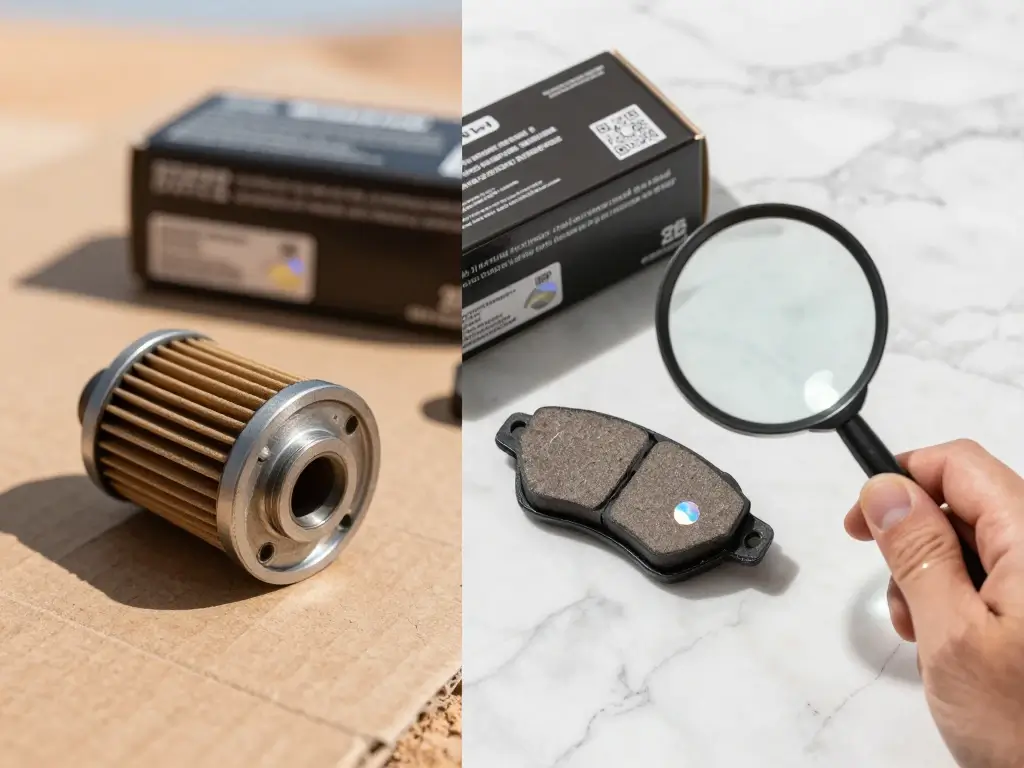
Look closely at the box. Check the logo, spelling, font, seal, and print quality. Fake packaging often looks slightly wrong.
The barcode, seal, or batch code looks wrong
A clear barcode and clean batch code matter. Smudged labels or broken seals can signal trouble.
There is no invoice or warranty
No invoice means no proper proof. No warranty means the seller may disappear when the part fails.
The seller cannot explain the source of the part
A trusted seller should know where the part came from and why it fits your car.
The finish, weight, or material quality feels off
Some fake parts feel rough. Some are too light. Some have weak edges, poor molding, or low quality coating.
The part number does not match your car
Always compare the quoted number to your car and repair need. A mismatch is enough reason to stop.
The workshop refuses to show you the removed old part
That is a serious warning sign. You should be allowed to see what was removed and what is being installed.
If a garage avoids clear answers, skips paperwork, or refuses to show the removed part, switch to a trusted car mechanic service in Dubai before approving the repair.
The seller pushes you to pay immediately
Pressure is a common sales tactic in risky deals. Slow down. Check first. Pay later.
Most Common Fake Spare Parts Car Owners Should Watch For
Not every part is equally targeted. Some categories move faster, so they attract more counterfeit activity.
Brake pads and brake discs
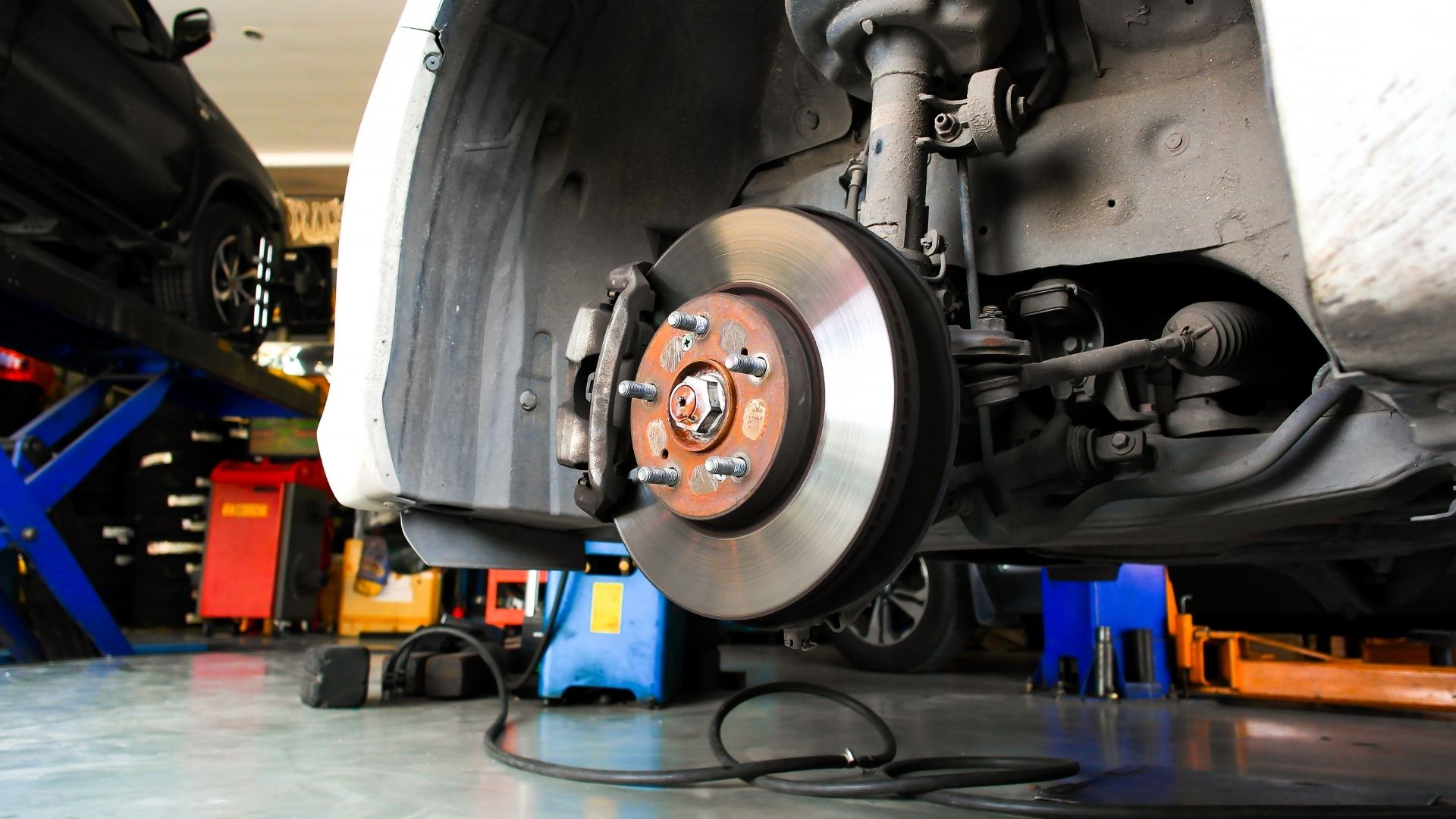
Brake parts are a major concern. Weak braking material can wear too fast. It can also affect stopping feel and consistency.
Brake components are one of the highest risk categories, so it helps to compare your quote against a specialist in car brake pad change service before approving unknown parts.
Oil filters, air filters, and cabin filters
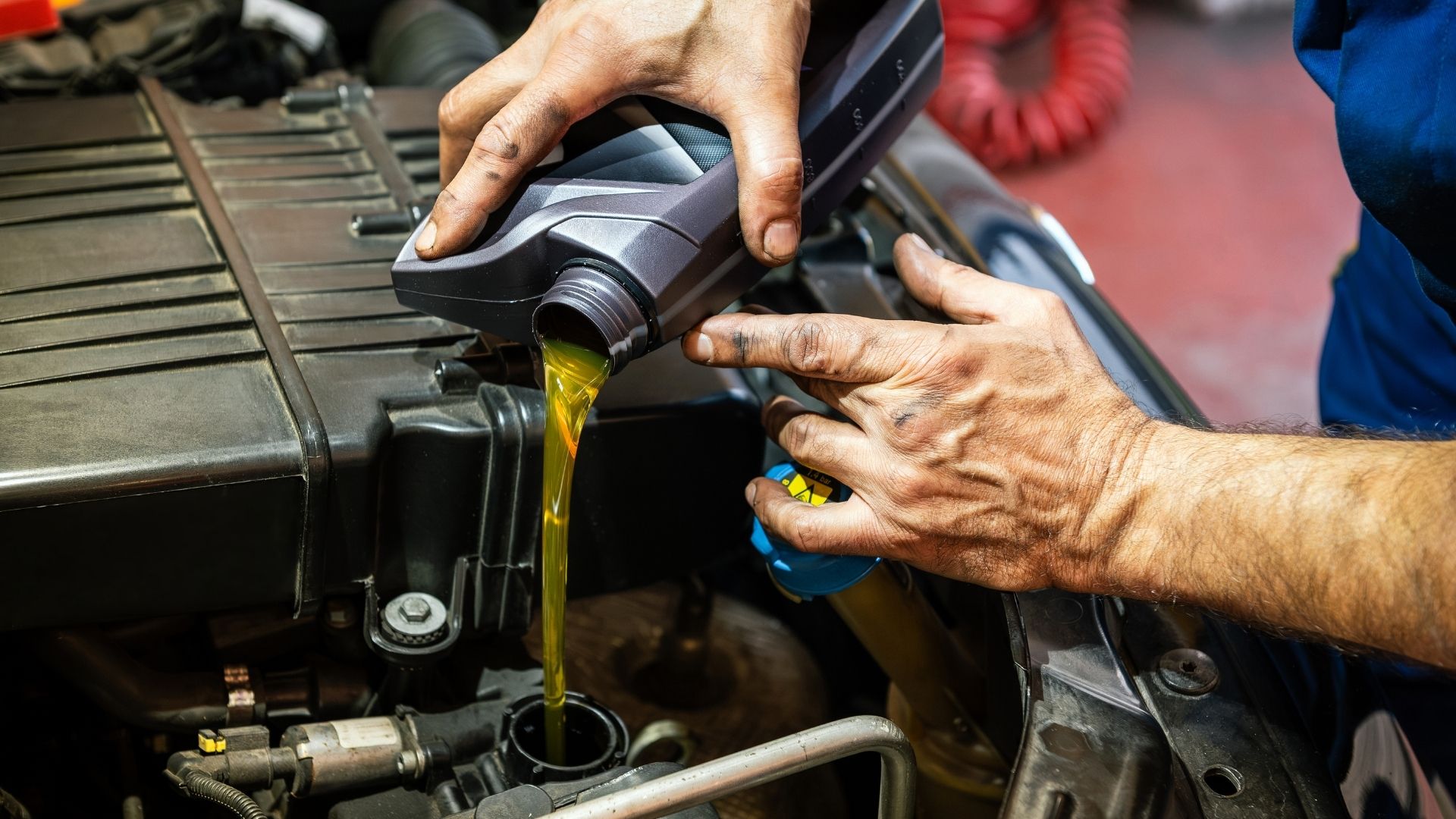
Filters are often replaced. That makes them easy targets for fake suppliers. A poor filter may look normal from outside but work badly in real use.
If the seller is vague about filter grade, replacement interval, or brand quality, read how often should you change your oil filter.
Suspension and steering parts
These parts affect control and ride quality. A fake or low grade part here can create noise, poor handling, and early wear.
Ignition and electrical parts
Sensors, coils, plugs, and related items are also risky categories. Cheap copies may fail fast or create confusing fault patterns.
Belts, pumps, and fast moving service items
These parts sell often. That makes them attractive to bad sellers who want quick turnover.
How to Verify a Spare Part Before You Pay
If you want to know how to verify genuine auto parts in UAE, focus on proof, not promises.
Match the quoted part number with your car
Do not approve a part just because the seller says it fits. Ask to see the number. Match it to the exact vehicle.
Inspect the brand seal, label, barcode, and finish
This is where careful buyers catch many problems. Look for clean printing, neat seals, proper labels, and consistent finish.
Ask for the warranty terms in writing
A spoken promise is weak. Written terms are stronger. Even a short written warranty is better than none.
Request supplier details, source, and replacement policy
This is part of how to verify the authenticity of auto spare parts from suppliers. Ask where the part came from, what policy applies if it fails, and whether the seller stands behind the product.
Avoid fake car parts and scam websites in the UAE
Some buyers get caught by fake listings, social media sellers, or websites with little business identity. If the seller has no proper address, no clear contact details, no business proof, and no return clarity, walk away.
How to Avoid Fake Parts When Using a Workshop in Dubai
Buying a part yourself is one thing. Approving a repair through a workshop is another. You need the same caution in both cases.
Questions to ask before you approve the repair
Ask what brand they are fitting. Ask whether it is genuine, OEM, or aftermarket. Ask for the part number. Ask what warranty comes with it. Ask whether the old part will be shown to you after removal.
Signs the workshop may be cutting corners
Fast answers with no proof. No invoice. No warranty. Pressure to approve right away. Refusal to explain the source. These are all warning signs.
Readers who want to see how the workshop approaches repairs, inspections, and service coverage can review about Smart Car Fixing before booking.
Why you should ask to see the removed old part
This keeps the process honest. It also helps you confirm that the replacement was actually needed.
Why inspection before installation saves money
A good inspection can stop a bad purchase. It can also stop the wrong repair.
What Fake Spare Parts Can Damage on Your Car
Counterfeit parts do not just fail on their own. They can affect nearby systems too.
Braking performance and stopping distance
Fake brake parts may wear unevenly, feel weak, or create noise. That affects safety and confidence.
Engine airflow, lubrication, and cooling
Poor filters or weak cooling parts can affect engine health over time. Small issues can grow into larger repair bills.
Electrical reliability and warning lights
A weak sensor or poor ignition part can trigger warning lights, rough running, or repeated faults.
When a suspicious replacement starts causing warning lights, misfires, or inconsistent power issues, a proper car electrical repair check becomes important before further damage.
Long term repair cost and resale trust
Repeated failures cost money. They also hurt buyer confidence when you later try to sell the car.
What To Do If You Already Bought a Fake Spare Part
Even careful buyers can get caught. What matters is what you do next.
Stop using the car if the part affects safety
If the part is linked to braking, steering, suspension, or another safety critical system, do not keep driving until it is checked.
Keep the invoice, packaging, and photos
Do not throw anything away. Keep the box. Keep the label. Keep the receipt. Take clear photos.
Ask the seller or workshop for a remedy
Start by giving them a chance to respond. Ask for replacement, refund, or correction. Keep your message clear and calm.
Submit a complaint through the right Dubai channel
If the seller refuses to cooperate and you have the invoice and supporting proof, you can submit a consumer complaint through the official channel.
Check whether the issue is linked to an official recall
If the part failed in a serious way, ask whether there is a wider issue linked to that product or brand. This can help you understand the risk better.
Why Smart Car Fixing Is a Safer Choice for Parts and Repairs in Dubai
When buyers search for genuine auto parts options, they want clarity. They want proof. They want a workshop that explains what is being fitted and why.
Clear communication before installation
A good repair should not feel rushed or vague. You should know what is being installed before the job starts.
A practical inspection first approach
Inspection helps reduce guesswork. It also helps match the right part to the real fault.
Warranty backed service confidence
Warranty matters. It shows the workshop is willing to stand behind the job.
Mobile support and workshop support
Some drivers want a second opinion before approving parts. Some want workshop support. Some need help on site.
If you want a second opinion before approving replacement parts, you can contact Smart Car Fixing for a clearer inspection and repair discussion.
Final Thoughts on How to Avoid Fake Spare Parts in the UAE Market
The best way to avoid fake parts is to stay slow and specific. Check the number. Check the seller. Check the paperwork. Check the condition. Ask questions before you pay.
That is how buyers reduce risk. That is also how you protect your car, your money, and your peace of mind.
If a quote feels unclear, get a second opinion. It is better to verify first than repair twice.
FAQs About Fake Spare Parts in the UAE
-
How can I tell if a spare part is genuine in the UAE?
Check the part number, packaging, seal, barcode, invoice, warranty, and seller details. Do not rely on appearance alone.
-
Are very cheap online spare parts in Dubai usually a risk?
Not every cheap part is fake, but very low prices should make you pause. Check the business identity, proof, and return policy before you buy.
-
Should a workshop show me the old part after replacement?
Yes. Asking to see the removed part is a simple way to keep the process transparent.
-
What documents should I ask for before installation?
Ask for the invoice, warranty details, part number, and a clear description of what is being fitted.
-
Where can I complain if I was sold a fake spare part in Dubai?
If you have proof such as invoice, packaging, and photos, you can raise the issue through the official consumer complaint process.